
One of the Best commercial extractor fan cleaners in Mpumalanga and Gauteng – SANS 1850 Compliant & Accredited

Are you a restaurant owner in Mpumalanga facing rising insurance premiums, frequent health inspections, or concerns about kitchen fires?
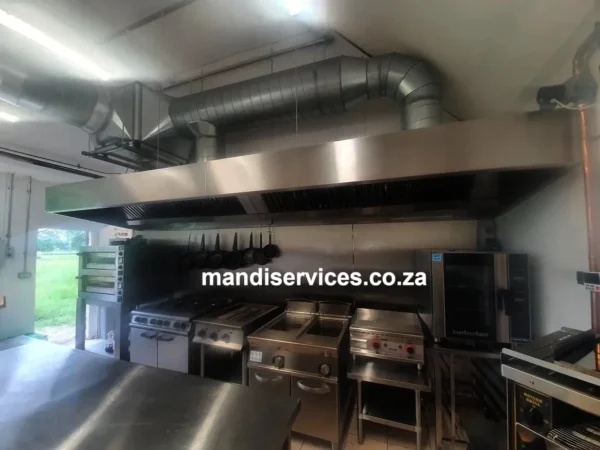
commercial extractor fan cleaners

Grease buildup in your canopy, baffles, ducts, and fans isn’t just unsightly — it’s a major fire hazard that can shut down your business overnight.

Our accredited kitchen extraction cleaning service in Mpumalanga ensures full compliance with SANS 1850:2012 (Edition 2), the South African National Standard for the design, manufacture, installation, maintenance, and inspection of commercial kitchen extraction systems.

We help local restaurants, hotels, takeaways, and commercial kitchens stay safe, legal, and efficient while protecting staff, customers, and your bottom line.

Why Kitchen Extraction Fan System cleaning Matter

Commercial kitchens in Mpumalanga generate heavy grease, smoke, and heat from grills, fryers, tandoori ovens, and gas cookers.
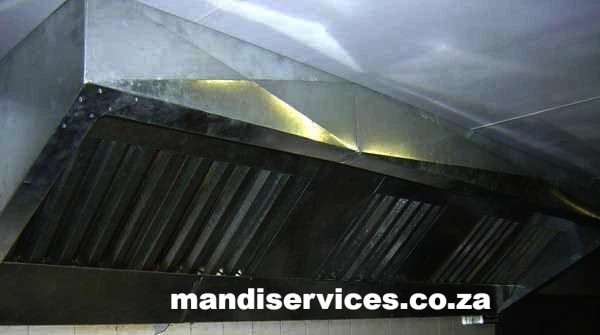
Without proper extraction, these contaminants recirculate, creating poor air quality, slippery surfaces, and — most critically — a flammable grease layer inside your canopy, filters, ducting, and exhaust fan.

According to industry standards and fire safety guidelines, accumulated grease in extraction systems is highly flammable.

A single spark from cooking equipment can ignite it, turning a small incident into a rapidly spreading fire through the ductwork.

SANS 1850:2012 specifically addresses this by requiring regular maintenance, accessible baffle filters, grease draws, proper duct velocities (5–9 m/s), and cleaning to bare metal.

Neglecting your system risks:

  • Rejected insurance claims — Most policies demand proof of professional six-monthly cleaning.
  • Fines or closure during municipal or fire department inspections.
  • Health and safety violations under food premises regulations.
  • Inefficient ventilation leading to hotter kitchens, staff discomfort, and higher energy bills.

Our service directly solves the fire hazard problem by removing grease buildup from canopies, baffle filters (designed to capture 5–10 micron particles), grease draws (max 500 mL capacity), ducts, risers, fans, and attenuators — all while maintaining system integrity and grease-tight joints.

SANS 1850:2012 Compliance – What It Requires and How We Deliver

SANS 1850:2012 is the definitive South African standard covering commercial kitchen extraction systems (excluding domestic use).
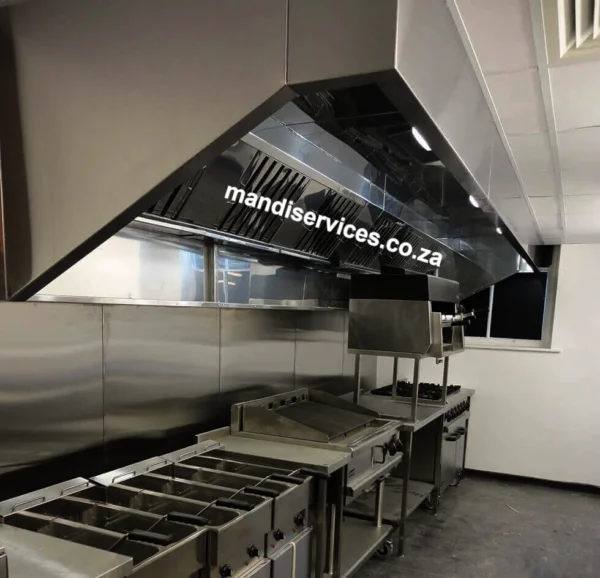
extractor fan cleaners

Key requirements we help you meet include:

  • Canopies: Constructed from stainless steel (minimum 1 mm thick, or 1.2 mm for longer units), with proper overhang (minimum 250 mm on free sides, 600 mm for deep fryers or steam-heavy equipment like combi steamers), and heights ensuring the underside is 2–2.1 m above floor level for optimal capture.
  • Baffle Filters: Cyclonic stainless steel type, accessible from the front, preventing grease drip onto cooking surfaces, with air velocity through slits ≥1.2 m/s and frame size ≤500 mm × 500 mm.
  • Ducting System: Minimum thickness (1 mm galvanized or 0.9 mm stainless), no spiral ducting, minimum dimensions for cleaning access (400 mm × 450 mm), access panels every 3 m or at changes of direction, velocity 5–9 m/s, and dedicated systems per kitchen leading directly outside.
  • Fire Safety: No fire dampers in the canopy; risers extending 300 mm above roof or designed to avoid nuisance; grease-tight joints with non-porous, heat-resistant seals.
  • Make-up Air: Up to 85% mechanical supply (rest natural infiltration) to maintain negative pressure and prevent odour spread.
  • Cleaning & Inspection: Canopy, grease removal devices, fans, ducts, and appurtenances cleaned to bare metal at minimum six-month intervals. No flammable solvents; full documentation provided.

We are fully accredited and trained to these exact specifications.

Our team uses professional methods to clean to bare metal, ensuring your system performs as designed for fume capture, fire prevention, and hygiene.

We also reference related standards like SANS 10400 (National Building Regulations) for installation and routing.

The Fire Hazard Problem – And How Professional Cleaning Solves It

Grease-laden exhaust systems are one of the leading causes of restaurant fires worldwide.

In South Africa, insurers and fire authorities emphasize that uncleaned ducts act as chimneys for flames.

SANS 1850 and supporting guidelines stress that baffle filters and ducts must prevent grease vapourising and passing through the system.

Our deep-cleaning process eliminates this risk:

  1. Remove and clean baffle filters and grease draws.
  2. Access and clean internal canopy gutters, plenums, and spigots.
  3. Thoroughly clean horizontal and vertical ducting, risers, and fans (backward-curved centrifugal or mixed-flow preferred for easy maintenance).
  4. Inspect joints, access panels, and fire suppression compatibility.
  5. Provide before-and-after measurements, photographic records, a detailed report, MSDS for any chemicals, and a compliance certificate.

This not only reduces fire risk dramatically but also improves airflow, lowers energy consumption, and extends equipment life.

Many clients report cooler kitchens and fewer staff complaints after our service.

Real Benefit: One local restaurant avoided a potential disaster when we discovered heavy grease in their riser during a routine clean — exactly the kind of hidden hazard SANS 1850 aims to prevent.

Why Choose Our Accredited Kitchen Extraction Cleaning Service?

  • Local Expertise: We serve Mpumalanga and Gauteng, understanding local municipal requirements and climate challenges (dust, heat).
  • Accredited & Compliant: Trained to SANS 1850:2012, with full documentation for insurers, fire departments, and health inspectors.
  • Comprehensive Service: Canopy, filters, ducts, fans, attenuators — the entire extraction system. We also advise on solid fuel oven (pizza/tandoori) requirements, including spark arrestors and dedicated mild steel ducting.
  • Minimal Disruption: After-hours or scheduled cleaning with minimal downtime. All access panels replaced, systems returned to operable state, dampers correctly positioned.
  • Full Reporting: Certificate of cleaning, pre/post measurements, photos, schematic if needed, and recommendations. No flammable residues left behind.
  • Fire Suppression Integration: We work alongside wet chemical systems (UL 300 / NFPA 17A compliant where applicable) and portable Type F extinguishers — never rendering them inoperable.
  • Preventative Maintenance: Six-monthly schedules tailored to your volume (higher for fryers or solid fuel).

Restaurant owners in Mpumalanga trust us because we don’t just clean — we protect your business from fire, compliance failures, and unnecessary costs.

Most Common FAQs About Commercial Kitchen Extraction Cleaning

How often should my kitchen extraction system be cleaned? SANS 1850:2012 and supporting regulations recommend cleaning to bare metal at minimum six-monthly intervals. High-volume kitchens (heavy frying, grilling, or solid fuel) may need quarterly or monthly service. We assess your operation and recommend the right schedule.

Is kitchen canopy cleaning a legal requirement in Witbank? Yes. Compliance with SANS 1850:2012 is essential for meeting National Building Regulations (SANS 10400), food premises hygiene standards (R638), and fire safety bylaws. Municipal inspectors and insurers routinely request proof of professional cleaning.

Can I clean the extractor hood myself? Surface wiping is insufficient and dangerous. Professional cleaning reaches hidden ducts, fans, and risers where grease accumulates. DIY attempts risk injury, incomplete cleaning, and voided insurance. Our accredited technicians use safe, effective methods with proper access and documentation.

Does dirty extraction increase fire risk? Absolutely. Grease is highly flammable. Buildup in baffles, ducts, and fans can fuel fires that spread rapidly. Regular cleaning to bare metal (as per SANS 1850) significantly reduces this hazard and supports your fire suppression system.

What does the cleaning process involve? We clean the entire system: canopy internals, baffle filters, grease draws, ducting (with access panels every 3 m), fans, and risers. We provide a full report, photos, measurements, and certificate. No flammable solvents are used, and fire suppression components remain operational.

Will cleaning disrupt my restaurant operations? We schedule flexibly — often after hours or when the kitchen is closed — to minimise downtime. The kitchen is left clean, safe, and fully operational.

Do you provide certificates for insurance and compliance? Yes. You receive a detailed compliance certificate, report, and records that satisfy insurers, fire departments, and local authorities.

What about make-up air and negative pressure? We ensure your system balances extract with proper make-up air (mechanical preferred at ≤85% of extract volume) to maintain negative pressure, prevent odours escaping, and improve comfort.

Are you equipped for solid fuel ovens (pizza/tandoori)? Yes — dedicated extraction, spark arrestors where needed, mild steel welded ducting, and regular scraping/inspection of combustion chambers.

How does cleaning affect my insurance? Clean systems demonstrate due diligence, often qualifying for better premiums or full claim approval in case of fire. Uncleaned systems risk claim rejection.

Call Martin Now

Don’t wait for an inspection, fire incident, or insurance issue.

Our accredited team delivers reliable, thorough kitchen extraction cleaning and maintenance across Mpumalanga and Gauteng, ensuring full SANS 1850:2012 compliance while solving the critical fire hazard problem.

Crime Busters in partnership with M and I Gas Services.

Contact/Whatsapp Martin Peake on 076 281 1842.

Want to chat on WhatsApp with Ilse Peake?

Simply get redirected to WhatsApp by following the chat link below:

chat on whatsapp